

Walk through neighborhoods in Kabul, Baghdad, N’Djamena, or Saigon, and you’ll find something common: multiple generations living under one roof. Grandparents, aunts, uncles, and cousins share homes or live in close-knit communities nearby.
In much of the West, we’ve adopted a different model. Most families consist of parents and children living separately from extended relatives—what we call the nuclear family. Many young adults live independently or with roommates rather than family members.
This divergence isn’t accidental. While social, economic, and cultural forces all played roles, one often overlooked factor significantly influenced this shift: the medieval Catholic Church and its marriage regulations.
The Church’s Expanding Marriage Rules
For centuries, the Catholic Church wielded enormous influence over European family life. One of its most consequential policies involved strict regulations on who could marry whom.
Many societies had prohibited marriages between close relatives, but medieval Europe took this further. In the 6th century, Pope Gregory I reinforced restrictions on marriages between blood relatives. By the early Middle Ages, the Church had extended these prohibitions dramatically — eventually banning marriages between relatives as distant as sixth cousins, plus certain in-law relationships.
In the small, interconnected villages of medieval Europe, these rules significantly limited the pool of eligible marriage partners. People increasingly had to look beyond their immediate kin groups and communities to find spouses.

The Church’s Intentions
Church leaders didn’t view these policies as attacks on family bonds. They had specific spiritual and social goals in mind.
First, they believed discouraging marriages within extended families would make unions more voluntary; based on personal choice rather than clan obligations or family arrangements.
Second, they hoped these rules would strengthen social bonds between different families and communities. When marriages linked previously unconnected groups, it could reduce tensions and blood feuds while promoting peace.
Theologically, the Church wanted to distinguish Christian marriage as a sacred covenant that transcended tribal customs and family politics. By creating clear boundaries around kinship, church officials aimed to establish marriage as a spiritual institution grounded in moral principles and free will.
Unintended Social Consequences
Whatever the intentions, the effects rippled through European society.
Throughout much of history and across many cultures, extended kin networks formed the backbone of economic and social life. These networks shared labor, resources, land, and caregiving responsibilities. They also wielded considerable political power.
By limiting marriages within these circles, the Church’s policies gradually weakened traditional clan structures. Social organization shifted toward smaller, more independent family units.
Historians like Joseph Henrich and Jack Goody have argued that this transformation contributed to the development of the nuclear family model in the West. Over centuries, it also fostered a culture that increasingly valued individual autonomy, personal choice, and privacy — though at the cost of some intergenerational connectedness.
Modern Legacies
These historical patterns have left lasting marks on contemporary Western societies.
Elderly parents in the West often live separately from their adult children; in their own homes or assisted living facilities. Young people routinely move far from family for education or career opportunities. This arrangement offers considerable personal freedom and flexibility, but can also create isolation and fragment support networks.
Meanwhile, in many societies with collectivist traditions, extended families continue living in proximity. Multiple generations share daily life, caregiving, and resources —maintaining the intergenerational bonds that were once universal.
A Complex Story
The evolution of Western family structures has no single cause. Economic changes, urbanization, industrialization, demographic shifts, and cultural developments all contributed significantly.
The Catholic Church’s marriage policies were one important thread in this complex tapestry. These regulations undeniably influenced how Europeans thought about kinship, community, and individual identity — effects that have persisted into modern times.
Whether this transformation represents progress, loss, or simply change is a question with no universal answer. The nuclear family model offers autonomy and mobility but can lack the built-in support systems of extended kinship networks. Extended family structures provide stability and shared resources but may limit individual independence.
What’s clear is that these medieval church policies helped set Western societies on a distinctive path; one whose consequences still shape how millions of people live, work, and connect with family today.
THANK YOU SO MUCH FOR YOUR SUPPORT.
For speaking queries please contact meta@metaspeakers.org
For ghostwriting, personalized mentoring or other writing/work-related queries please contact hollie@holliemckay.com
Follow me on Instagram and Twitter for more updates
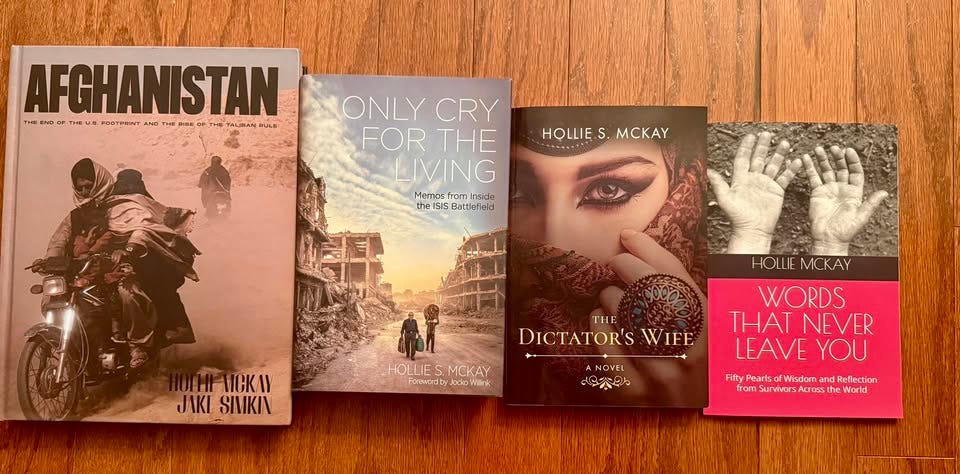
Click to Purchase All Books Here
Brilliant analysis and having grown up in one religion and become Catholic 26 years ago, I can tell you even my ex-husband’s family steered so far away from the previous generational village in Puerto Rico for example. Having studied anthropology and reading books like Sebastian Jungers tribe. All of this is so relevant. Great work!
Hollie, absolutely fascinating!